Individual support
Athletes
Work on managing pressure, functional confidence, concentration, responses to mistakes, returning after injury, mental routines and performance under fatigue.
For athletesSport psychology and mental preparation practitioner
I work with athletes, coaches and teams on concentration, confidence and responding to mistakes, in training and competition.
Bordeaux and online · BSc in psychology · MSc in sport psychology
An athlete, a coach, a parent and a sporting organisation do not have the same needs. The work takes each person’s role into account.
Individual support
Work on managing pressure, functional confidence, concentration, responses to mistakes, returning after injury, mental routines and performance under fatigue.
For athletesSupport for staff
Integrate the mental dimension into day-to-day coaching: communication, responses to mistakes, decision-making under pressure, cohesion and regulation of activation states.
For coachesWork within organisations
Structure collective mental skills work through workshops, team support, cohesion, performance routines, mental recovery and collaboration with staff.
Clubs and teamsSupport from those around them
Support a young athlete without adding unnecessary pressure, with a clear framework around motivation, autonomy, well-being and balance in performance.
Accompagner mon enfantA straightforward progression: understand the situation, choose priorities, train the tools, then adjust them in practice.
Identify what happens in sensitive moments: attention, emotions, activation level, fatigue and behaviour.
Turn a broad difficulty into precise, realistic and observable priorities for the work.
Develop practical tools: routines, breathing, mental imagery, self-talk or attention strategies.
Test the tools in training, competition and under fatigue, then adjust them through experience.
About
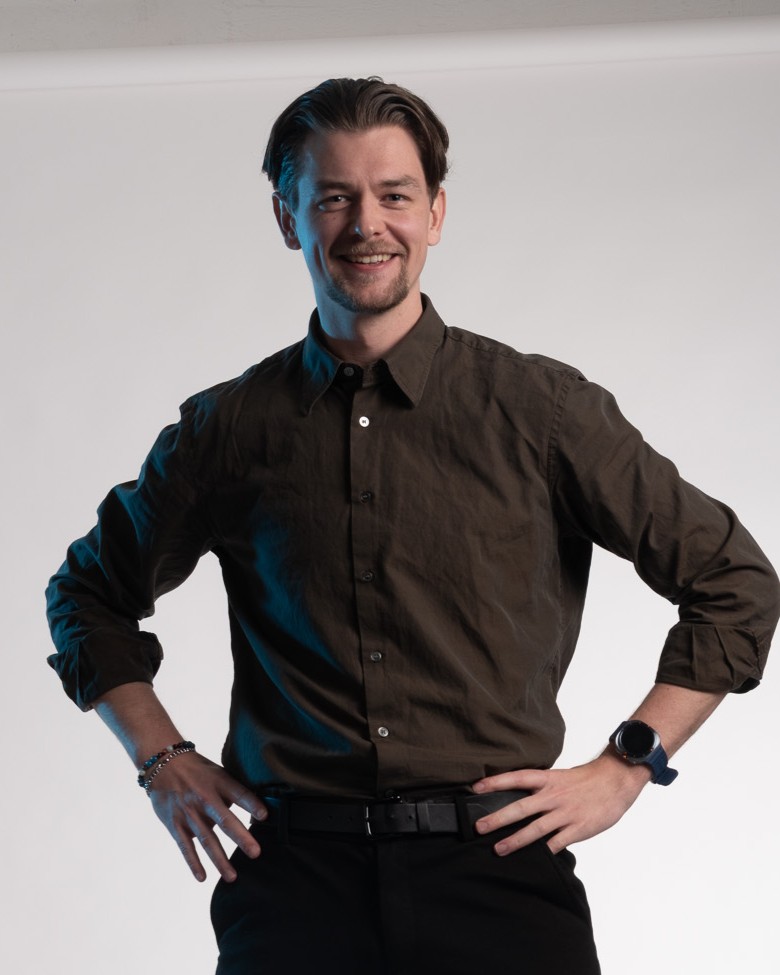
Antonin Suilen is a sport psychology and mental preparation practitioner. His background combines a BSc in Psychology, an MSc in Sport Psychology and field experience with athletes, coaches and sporting organisations.
Parents of young athletes
The work takes account of the young athlete’s age, schedule and own goals. Parents’ involvement and what information may be shared are clarified at the outset.
Online via Google Meet to discuss your situation and a suitable format.
In Bordeaux or online, as agreed.
An initial conversation about goals, participants and scheduling.
The first 15-minute conversation is free. For individual sessions and club work, request fees and terms by email before booking.
Key information about sessions, online consultations, clubs and confidentiality.
No. The work can be relevant at different levels of practice, from young athletes to committed competitors. Sessions are adapted to age, sport, level, daily rhythm and the real constraints of practice.
Mental preparation works with practical tools such as routines, attention, mental imagery, self-talk and goal setting. Sport psychology also considers the emotional, relational, organisational and ethical dimensions of performance.
The initial conversation clarifies the request, the sport concerned, the main constraints and the situations in which the mental dimension becomes an issue. It also helps determine whether the proposed format is appropriate.
Yes. Sessions can take place online depending on the need, the type of work and scheduling constraints. Remote support can help maintain a connection with day-to-day training and competition.
Free initial conversation · 15 min
This time helps clarify the request, check the most appropriate format and decide calmly what should follow.